






Start with the Basics
Before you start cooking, it helps to have a few essentials in your kitchen but you don’t need lots of expensive equipment.
A good frying pan, saucepan, chopping board, sharp knife and baking tray can take you a long way.
You’ll also want to keep a few versatile cupboard staples such as rice, pasta, tinned tomatoes, beans and lentils. These ingredients are affordable, have a long shelf life and can be used in lots of different meals.
Find out more:
- Top 10 essentials every student should have in their kitchen
- 10 cupboard staples every student should have
Shop Smart and Save Money
Food shopping can quickly eat into your budget, but a little planning can make a big difference.
Before you go shopping, check what you already have and plan a few meals for the week. Make a shopping list and try to stick to it.
Choosing supermarket own-brand products, buying versatile ingredients and looking for ways to use the same ingredients across different meals can all help your money go further.
Meal planning can also help reduce food waste and make busy weeks easier.
Find out more:
Learn a Few Kitchen Skills
You don’t need to master complicated recipes to become a more confident cook. Start by learning a few simple skills that you’ll use again and again.
Knowing how to safely chop vegetables, control the heat on your hob and avoid overcrowding your pan can make cooking much easier. If things don’t go perfectly the first time, don't worry. Most cooking mistakes are easy to learn from.
Find out more:
- Knife Skills 101: A Beginner’s Guide
- How to use a pan without burning food
- Common cooking mistakes and how to avoid them
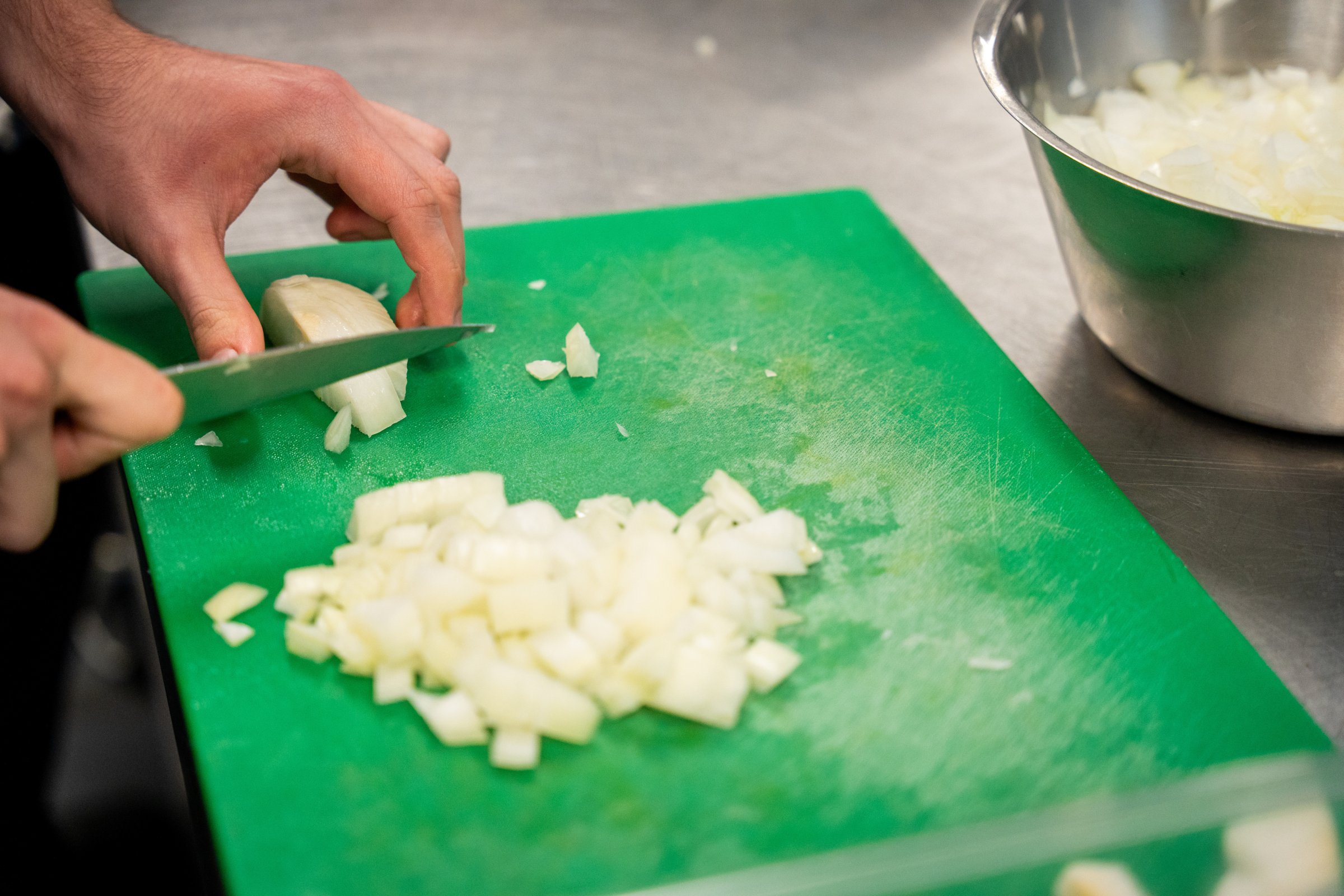
Chopping an Onion
Build a Balanced Meal
Eating well doesn’t have to mean spending more.
A simple way to build a balanced meal is to include a source of protein, carbohydrates and fruit or vegetables. Ingredients such as eggs, beans, lentils, chickpeas, rice, pasta, potatoes and frozen vegetables can all be affordable options.
You can also mix and match ingredients depending on what you have available. A few basic ingredients can become a pasta dish one day, a curry the next and a stir-fry later in the week.
Find out more:
Make Simple Food Taste Great
Cooking on a budget doesn’t mean your meals have to be bland. A few basic seasonings can completely change a dish.
Salt, pepper, garlic powder, paprika, chilli, cumin and dried herbs are all versatile additions to your cupboard. Onions and garlic can also add plenty of flavour to simple meals.
Try experimenting with small amounts, taste as you go and adjust the seasoning to suit you. Leftover rice, pasta or vegetables can often be transformed into a completely different meal with a few spices and seasonings.
Find out more:
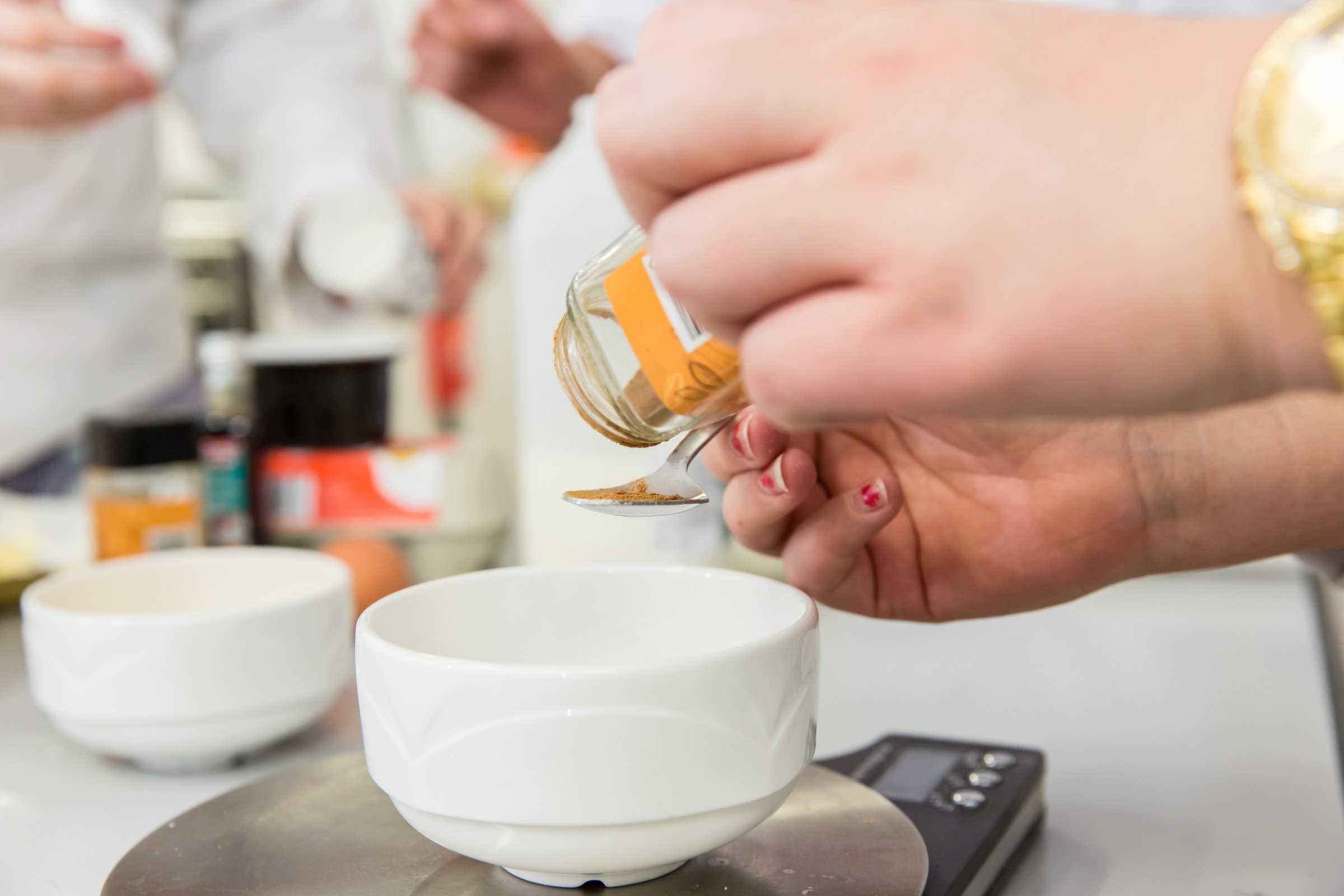
Spices
Store your Food Safely
Knowing how to store food properly can help it last longer, reduce waste and keep you safe.
Keep raw meat and seafood separate from ready-to-eat food, store raw meat on the bottom shelf of your fridge and use sealed containers where possible. If you’re saving leftovers, make sure they are stored correctly and keep an eye on use-by dates and storage instructions.
Freezing food can also be a useful way to make meals last longer and save money.
Find out more:
Give Yourself Time to Practise
The best way to get better at cooking is to keep doing it. Start with simple meals you enjoy and build your skills from there.
You’ll probably have the occasional burnt dinner, over-salted sauce or undercooked vegetable along the way. That’s all part of learning.
The more you cook, the more confident you’ll become at knowing what works, what needs more seasoning and how to make a meal from whatever you have in the kitchen.
So, whether you’re making your first meal away from home or looking for ways to make your weekly food shop go further, start simple, experiment and have fun with it.








