






1. Not reading the recipe first
Instead of jumping straight into cooking, always read a recipe from start to finish before you begin. This helps you understand the steps, avoid surprises, and ensure you have all the ingredients ready. It also ensures you measure out your ingredients correctly, so you only use what you need.
2. Not prepping all your ingredients before cooking
Chopping or measuring ingredients while food is already on the stove can lead to burnt food or unnecessary stress. Chop, measure, and prepare everything before turning on the heat to make cooking smoother and faster.
3. Overcrowding the pan
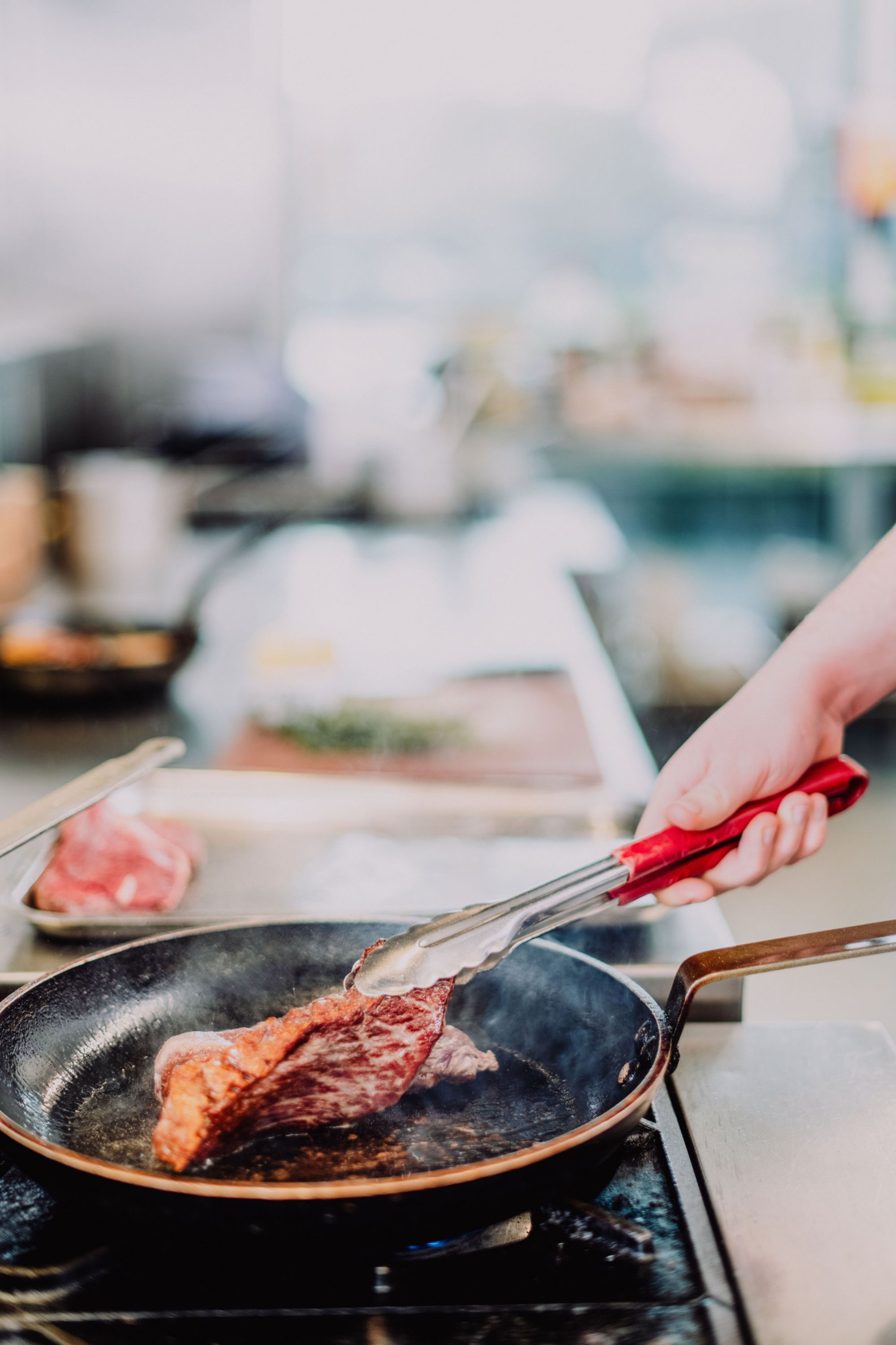
Piling too much food into one pan can leading to steaming instead of proper browning. Give your food space by using a larger pan, or cook in batches to ensure even cooking and better flavour.
Using a pan
4. Using the wrong pan size
Cooking in a pan that’s too small or too big for the portion size can cause uneven cooking, undercooked or burnt food. To prevent this, use a pan that fits your ingredients properly.
5. Not preheating
Adding food to a cold pan can cause uneven cooking and sticking. Likewise, not preheating the oven or grill first can cause undercooked or unevenly browned food. Always let your pan heat up for a minute or two before adding ingredients and preheat your oven at the required temperature until the preheat light goes out.
6. Not tasting as you go
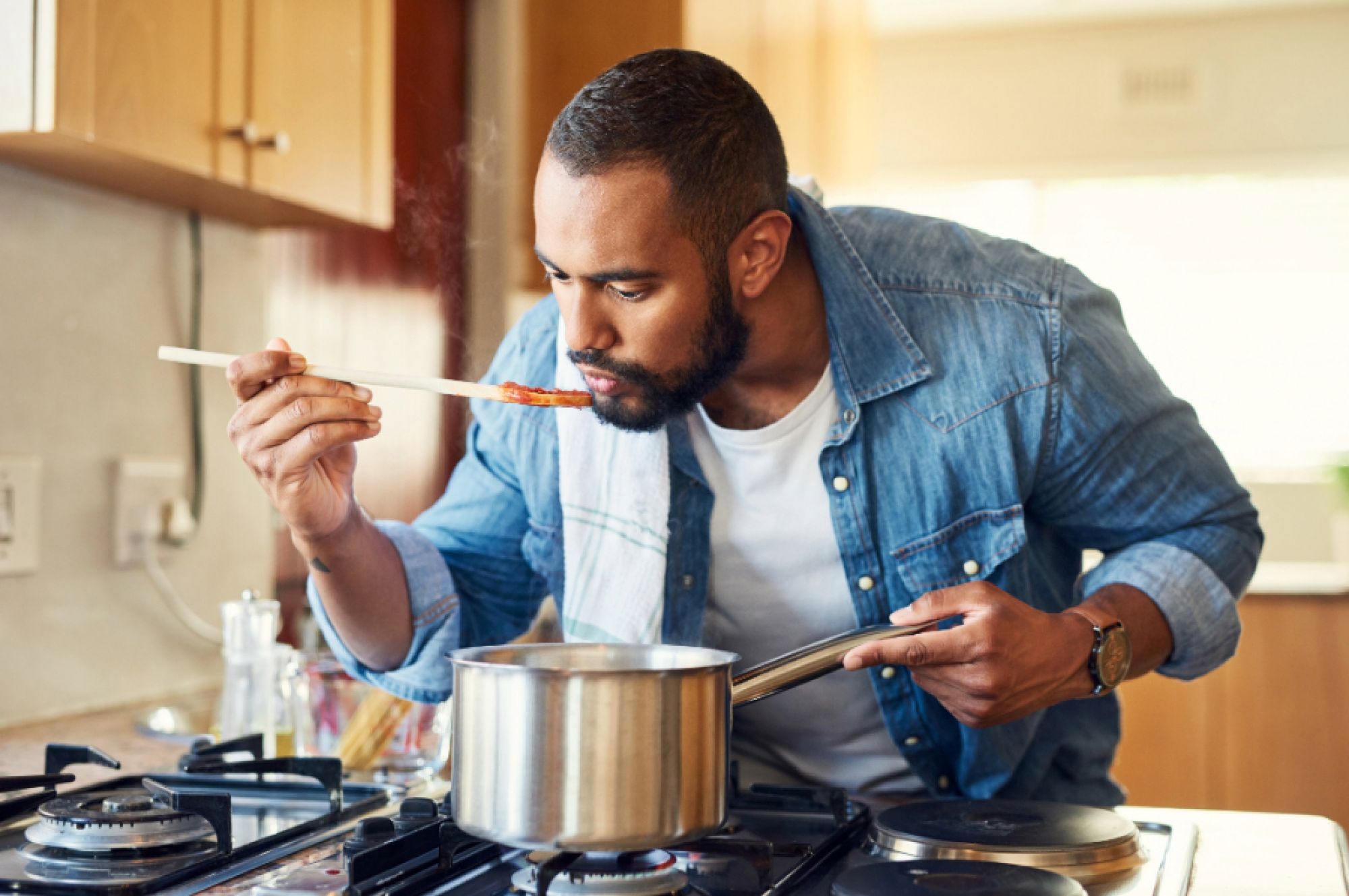
Waiting until the end to season can leading to bland or overly salty food. Taste your food at different stages and adjust the seasoning gradually. Start with less salt - you can always add more, but you can’t take it out!
Tasting food
7. Cooking everything on a high heat
Cooking on high does not always mean faster cooking – it often leads to burnt outsides and raw insides. Use a medium or low heat when required, especially for things like eggs, sauces, or stews. High heat is great for boiling water and searing meat, but not for everything.
8. Boiling instead of simmering
Turning the heat up too high when recipes call for simmering can make meat tough, cause vegetables to lose their texture, and make starchy food like rice, pasta and potatoes turn mushy. Simmering is a gentle, slow cook that’s defined by small bubbles, not a rolling boil. Keep the heat low and watch for slow bubbling.
9. Using Dull Knives
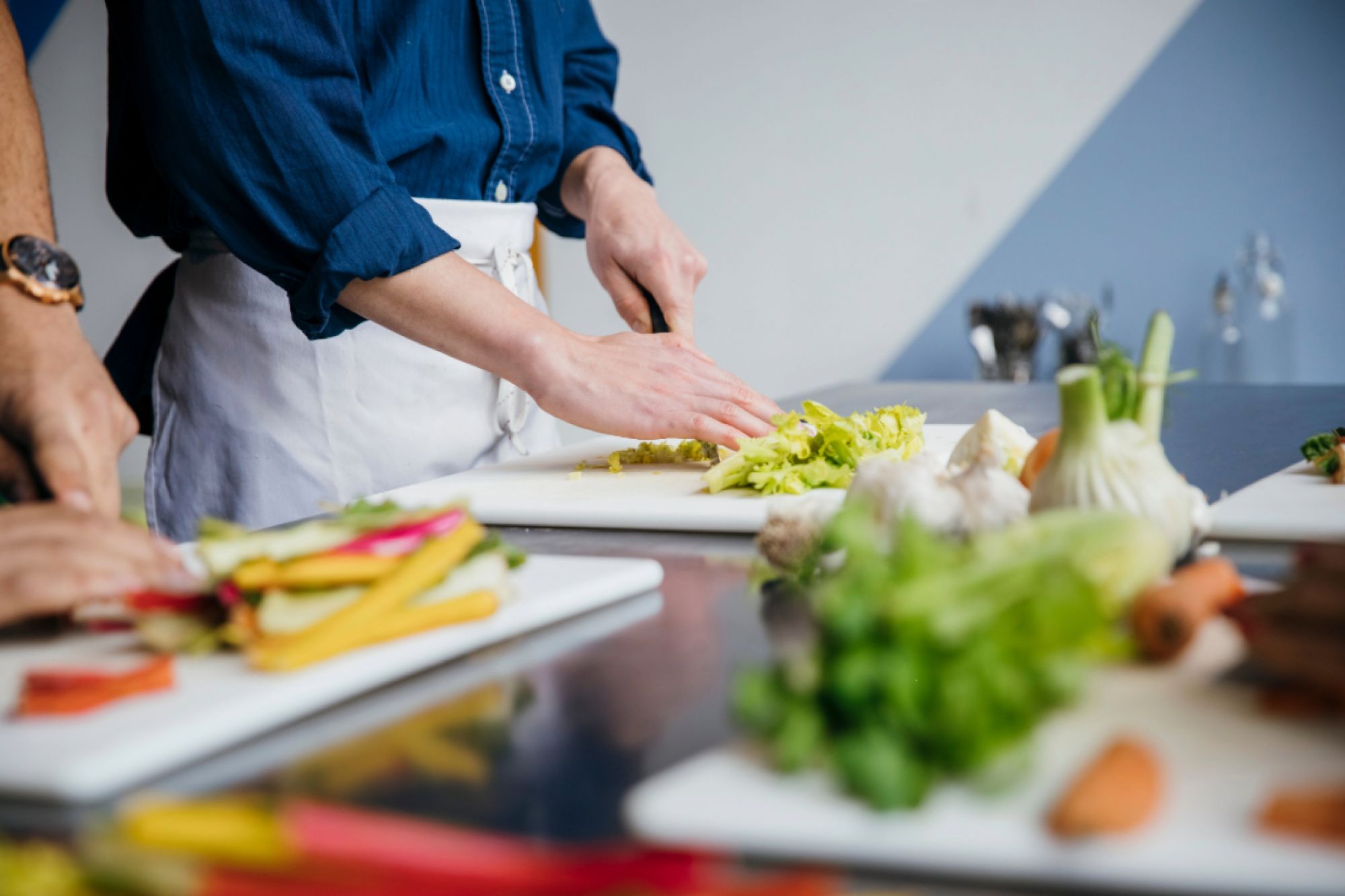
Dull knives aren’t safer - they actually make cutting harder and therefore more dangerous. A sharp knife requires less force and makes chopping easier. Make sure to read our blog on knife skills so you know how to use knives safely and correctly.
Using a knife correctly
10. Overcooking vegetables
Cooking veggies for too long can turn them mushy and flavourless and reduces their vitamin content. To avoid this, cook your veg until just tender (they should still be a little firm).
11. Forgetting to clean as you go
Letting dishes pile up can make cleanup overwhelming. Wash your utensils while waiting for food to cook to save time and keep your kitchen tidy. Your flatmates will thank you!
12. Wasting ingredients
Avoid throwing away leftovers. For example, leftover rice can become fried rice, and leftover veg or meat can be used in a pasta bake. Get creative!
Make sure to check out the Recipes Hub and put these tips into practice.
Pasta bake








