

SDG 12 - Teaching
Sustainable consumption and production are central to preparing students for a responsible future. At Ulster University, our teaching equips students with the knowledge, skills, and practical experience to promote resource efficiency, reduce waste, and make sustainable choices in their careers and communities.
Undergraduate Courses
Postgraduate Courses

SDG 12 - Research
Research on responsible consumption and production is vital for creating sustainable systems and reducing environmental impact. At Ulster University, our research explores resource efficiency, circular economy solutions, sustainable supply chains, and waste reduction, generating knowledge that informs policy, business practices, and community action.
Research Stories
- Future Island-Island Impact Cards
- Hurdles to a circular built environment: A look at the economic and market barriers
- Lessons in circular economy from the Global South towards a new pedagogy for architectural education
- Spatiotemporal Framework for Forecasting Energy Consumption in Smart Manufacturing Systems
- Exploring the Role of User Experience in Enhancing IoT Applications for Smart Manufacturing: A Review


SDG 12 - Partnerships
Collaborative partnerships are essential for promoting responsible consumption and production at scale. At Ulster University, we work with industry, government, non-profits, and community organisations to advance circular practices, reduce waste, and embed sustainable resource use across campuses, supply chains, and society.
Partnership Stories
- NWCAM2 marks a new era for cross-border innovation in life and health sciences
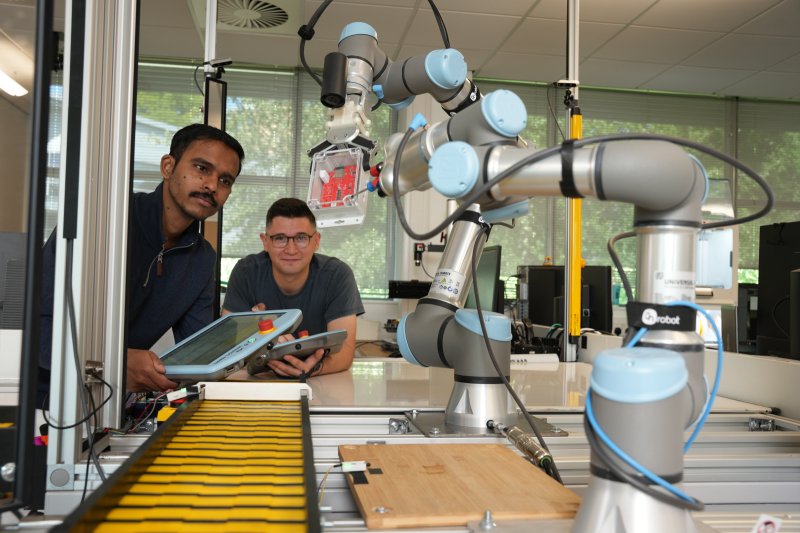
- Advanced Manufacturing Innovation Centre set to transform NI manufacturing sector
- Academia and Industry collaborate to tackle the E-Waste Challenge
- Ulster University Tackles Plastic Pollution Creatively through Art Installation
SDG 12 - Operations
Embedding responsible consumption and production into daily operations is key to reducing environmental impact. At Ulster University, our campuses prioritise sustainable procurement, waste reduction, energy efficiency, and circular initiatives, making resource-conscious practices part of everyday university life.
Sustainable Food Commitments
Sustainable food practices are essential for reducing environmental impact and promoting health and equity. At Ulster University, we are committed to responsible sourcing, reducing food waste, supporting local suppliers, and providing sustainable catering options. Our sustainable food commitments include:
- Promote Sustainable Eating: Reformulate menus to incorporate more lower carbon and plant-based options
- Reduce Food Waste: Design out avoidable food waste and measure food waste for targeted and impactful reduction
- Sustainable Procurement: Source responsibly and ethically and work with suppliers to improve sustainable practices
- Source Locally: Focus on sourcing ingredients from local suppliers
- Source Seasonally: Focus on using seasonal produce
- Educate & Engage: Increase environmental awareness with creative campaigns designed to foster collective action among staff and students
Green Key Certification for the Academy Restaurant
The Academy Restaurant, located on our Belfast campus and part of Ulster University Business School, was awarded the Green Key certification – an international eco-label recognising excellence in environmental and sustainable practices. This achievement reflects the restaurant’s commitment to responsible resource management, waste reduction, and the promotion of local and sustainable food sourcing. As a student-led establishment, it also plays a key role in embedding sustainability within the learning experience for future hospitality professionals.
Wellbeing Gardens
Ulster University is growing a culture of sustainability through vibrant wellbeing gardens. In Coleraine, the Wellbeing Garden features dedicated beds where staff and students can cultivate their own fruit, vegetables, and herbs, promoting hands-on learning, healthy living, and community connection. On the Belfast campus, the Herb Garden supplies fresh, seasonal herbs directly to the Academy Restaurant, supporting sustainable, local food sourcing. Together, these green spaces reflect our commitment to environmental responsibility and creating healthier, more sustainable campuses.
Vert Café: Planet-based Offering
Vert Café, located on our Belfast campus, champions sustainable eating by offering an entirely plant-based menu. By focusing on fresh, seasonal, and locally sourced ingredients, Vert reduces the environmental impact associated with food production, particularly carbon emissions, water use, and deforestation linked to animal agriculture. The café provides a delicious, low-impact alternative that supports both personal health and planetary wellbeing, aligning with Ulster University’s commitment to sustainability in everyday campus life.
Ethical Investment Policy Statement
Our Ethical Investment Policy Statement sets out principles that ensure the University’s investments support positive social and environmental outcomes. The policy reflects our broader commitment to environmental and social responsibility across all areas of University life. The Ethical Investment Policy is approved by the Resources Committee.
Modern Slavery and Human Trafficking Policy
Ulster University is committed to ethical supply chains. The Modern Slavery and Human Trafficking Statement outlines actions taken to prevent modern slavery and human trafficking, including supplier engagement through a sustainability action-planning tool and strong procurement practices. We work proactively with high-risk sectors, ensure all staff are aware of their responsibilities, and embed social responsibility across our operations to support ethical, sustainable sourcing.
Electronics Watch
Ulster University is committed to responsible procurement practices that uphold human rights and promote fair working conditions. As a member of the North Western Universities Purchasing Consortium (NWUPC), we are affiliated with Electronics Watch, an independent monitoring organisation dedicated to improving labour rights and working conditions in global electronics supply chains.
Gifts, Gratuities and Hospitality Policy
Ulster University’s Gifts, Gratuities and Hospitality Policy ensures transparent and ethical decision-making across our operations. All staff must declare gifts or hospitality over a specified value, with provisions for approval, recording, and regular monitoring. These safeguards help prevent conflicts of interest and promote responsible stewardship of university resources, reinforcing our commitment to integrity, accountability, and sustainable governance.

RiverRidge
RiverRidge is the University’s waste contractor, working behind the scenes to ensure our waste is managed responsibly, efficiently, and in line with our sustainability goals