

SDG 7 - Teaching
Through teaching, we equip students with the knowledge and skills needed to support the transition to affordable and sustainable energy locally and globally.
Undergraduate Courses
Postgraduate Courses
SDG 7 - Research
Our research supports the transition to affordable, reliable, and sustainable energy locally and globally.
Research Stories
- Evaluating the potential of solar PV to reduce energy costs in fuel poor households
- Renewable Heat Incentive in Northern Ireland: Devolved government policy failure
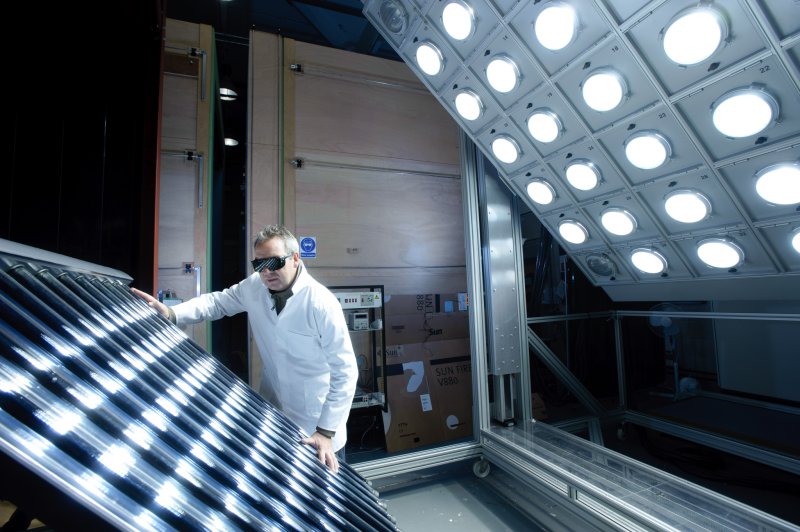
- Advances in Solar Technologies
- A Systematic Review of Explainable Artificial Intelligence in Urban Building Energy Modeling: Methods, Applications, and Future Directions
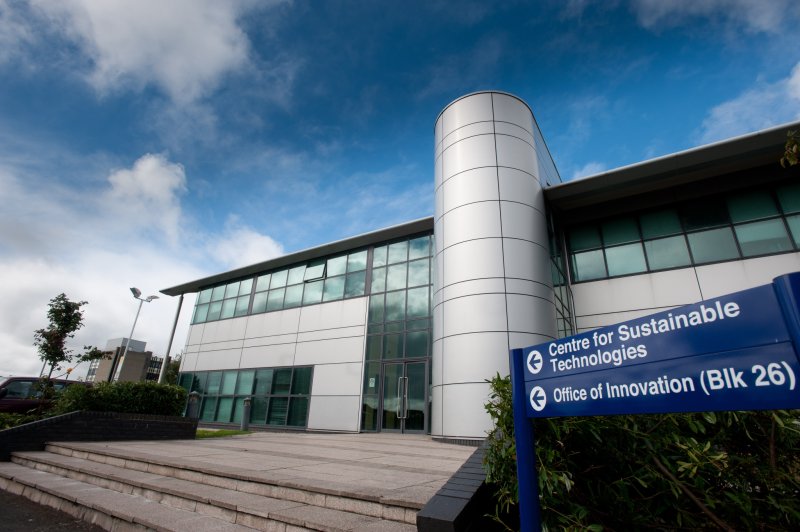
Centre for Sustainable Technologies
The Centre for Sustainable Technologies undertakes multidisciplinary research to design, create, develop, improve, demonstrate and evaluate emerging, existing and alternative sustainable renewable energy, building design, construction materials, transport and environmental modification technologies.
Research themes include:
- Energy efficiency in buildings
- Clean conversions of fuels
- Renewable energy
- River hydraulics and hydropower
- Highway engineering
- Construction
Hydrogen Safety Engineering and Research
The Hydrogen Safety Engineering and Research Centre is carrying out research, consultancy, knowledge and technology transfer in the area of safety of hydrogen as an energy carrier and fuel cell technologies.

SDG 7 - Partnerships
Delivering affordable and clean energy at scale requires collaboration across sectors. At Ulster University, our partnerships bring together academia, industry, government and communities to accelerate innovation, improve energy access and drive a just energy transition.
Partnership Stories
SDG 7 - Operations
Energy Efficiency
Energy efficiency is a key priority across Ulster University, embedded through sustainable new buildings and retrofits, the replacement of inefficient plant and equipment with energy-efficient technologies, improvements to building fabric and management system controls, and enhanced utility metering to identify and reduce waste.
This is supported by regular energy audits, ongoing awareness and behaviour-change initiatives for staff and students, and transparent annual reporting of energy consumption through the University’s Annual Sustainability Report and the HESA Estates Management Record.
Renewable Energy Generation
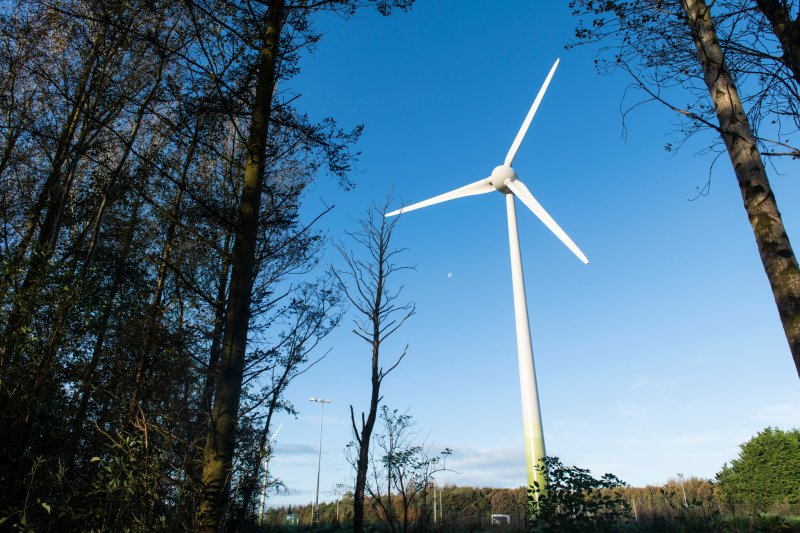
Ulster University has deployed a range of low-carbon technologies across its estate, including two 800 kW wind turbines at the Coleraine Campus operating since 2008 and 2017, generating approximately 2,800 MWh annually, equivalent to around 40% of the campus’s electricity demand.
Renewable energy generation is further supported by five solar PV arrays across the Belfast Campus with a combined capacity of 150 kW (approximately 108 MWh per year), two combined heat and power units in Belfast Block BA, and a ground source heat pump serving the High-Performance Sports Centre at the Ulster University Sports Village.
Ulster University participates in the UK Renewables Obligation scheme and claimed 2,777 Renewable Obligation Certificates (ROCs) in 2024/25 for electricity generated from on-site renewable technologies. These certificates provide formal recognition of renewable energy production and contribute to the financial viability of the University’s low-carbon energy infrastructure while supporting the wider transition to clean energy.
BREEAM Buildings
The Building Research Establishment’s Environmental Assessment Method (BREEAM) is internationally recognised as a leading standard for sustainable building design, and Ulster University embeds this approach across its estate.
All new builds are designed to achieve BREEAM Excellent ratings, incorporating features such as solar panels, natural ventilation, airtight construction and green roofs, with the BB, BC and BD buildings at the Belfast campus already achieving this standard, while retrofit projects target a minimum of BREEAM Very Good.
Sustainability is further embedded through the University’s Capital Development and Retrofit Projects – Sustainable Design Procedure, issued to all consultants to ensure sustainability principles are applied consistently across all capital and retrofit works.


Research Hour: Sustainability
Research Hour - Clean and Affordable Energy