SDG 15 - Teaching
The University equips students with the knowledge and skills to understand and protect terrestrial ecosystems and biodiversity. Nature-related themes are embedded across teaching, helping students consider environmental responsibility, biodiversity conservation, ecosystem resilience, and sustainable land management within their disciplines.
Undergraduate Courses
- Biology with optional placement year BSc (Hons)
- Environmental Science with optional placement year BSc (Hons)
- Environmental Science with Education and optional placement year BSc (Hons)
Postgraduate Courses
SDG 15 - Research
Our research addresses the causes and impacts of biodiversity loss and supports the protection and restoration of terrestrial ecosystems. The University’s research spans disciplines, informing policy, industry, and community approaches to nature conservation, sustainable land management, and ecosystem resilience.
Research Stories
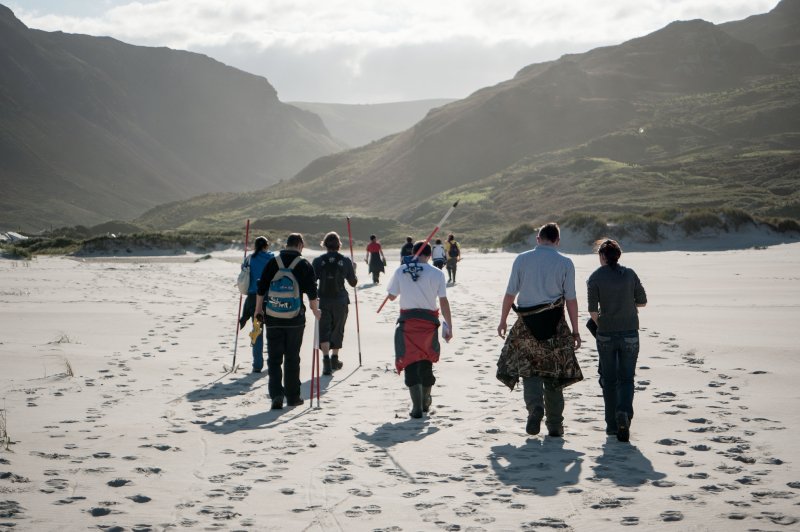
An integrated physical–environmental protocol for shoreline health assessment
SDG 15 - Partnerships
Through collaboration with industry, local authorities, communities, and global networks, we work to protect biodiversity, restore ecosystems, and promote sustainable land management. By sharing knowledge, expertise, and innovation, our partnerships help strengthen nature conservation, build ecosystem resilience, and deliver positive impacts for the natural environment.
Partnership Stories
Students take on golf’s green future in two-day Sustainable Innovation Challenge
Ulster University academic named as Co-Chair of All-Island Climate and Biodiversity Research Network

SDG 15 - Operations
We are working to protect and enhance biodiversity across our estate, improve habitats, and promote sustainable land management. Through data-led decision-making, responsible procurement, and continuous improvement, we aim to minimise our impact on terrestrial ecosystems while supporting a nature-positive and resilient future.
Nature Positive Pledge
Ulster University has joined the Nature Positive Universities network, committing to assess its biodiversity footprint, set targets for improvement, and report transparently on progress. This supports our Climate and Nature Positive approach and embeds nature considerations across teaching, research, operations, and governance.
Natural Capital Assessment
Ulster University partnered with Natural Capital Solutions Ltd to complete a Natural Capital Baseline Assessment, valuing natural assets and ecosystem services across the University’s estate. The assessment identified opportunities for tree and hedgerow planting, habitat restoration, and improved land management, supporting our wider Nature Positive approach.
Read the Natural Capital Report
Biodiversity on Campus
Our campuses support diverse habitats, wildlife, and wellbeing spaces. We are committed to protecting existing habitats, using native species, reducing pesticide use, and creating opportunities for biodiversity through wildflower planting, woodland, green roofs, wellbeing gardens, biodiversity trails, and habitat features.
- Belfast: Green roofs, a rooftop herb garden, and a textile roof garden support pollinators and biodiversity.
- Coleraine: A 312-acre estate includes mature woodland, an arboretum, wellbeing gardens, and extensive landscaped areas supporting wildlife and pollinators.
- Derry~Londonderry: Urban woodland, wellbeing gardens, and red squirrel feeding boxes support biodiversity within the city.
- Ulster University Sports Village: 481 significant trees have been surveyed, catalogued, and actively preserved as part of the site’s parkland and wildlife habitat.
Our Living Classroom
The Our Living Classroom Living Lab at Coleraine uses campus habitats as a hands-on learning environment for ecology and conservation. Activities include wildflower planting, invasive species management, and wildlife monitoring using bird and bat boxes.
Read more about Our Living Classroom
Ground Maintenance
Our grounds management practices aim to support biodiversity while reducing environmental impact. These include minimising chemical use, mulching shrub beds, leaving deadwood and fallen trees in place where appropriate, maintaining areas as wild habitat, and retaining woodchip from tree works for use as mulch across campus.