






A major study has found that peacebuilding programmes can make a real difference to the lives of children, young people and families, helping them develop coping skills, build trust and strengthen relationships across communities.
First of its kind research into peacebuilding
The research is the first of its kind in Northern Ireland to measure whether a peacebuilding programme is achieving the outcomes it aims to deliver, rather than simply assuming positive impacts are taking place.
The study evaluated OUR Generation, a cross-border programme which worked with more than 60,000 young people across Northern Ireland and the border counties of the Republic of Ireland.
Researchers analysed information gathered from more than 7,600 participants, including children, young people and key adults involved in the programme.
Findings: A greater ability to understand other people's views
The findings showed that by participating in peacebuilding programmes:
- Children, young people and adults all developed stronger coping and problem-solving skills
- Young people became better at understanding other people's experiences and viewpoints, while adults involved in the programme showed increased empathy and greater trust towards people from different backgrounds.
- Children built stronger connections across community divides and reported higher levels of trust in others, helping to create more positive relationships from an early age.
The research also showed that peacebuilding programmes focused on emotional wellbeing and resilience can deliver real, measurable benefits, helping people of different ages build the skills needed for stronger, more connected communities.
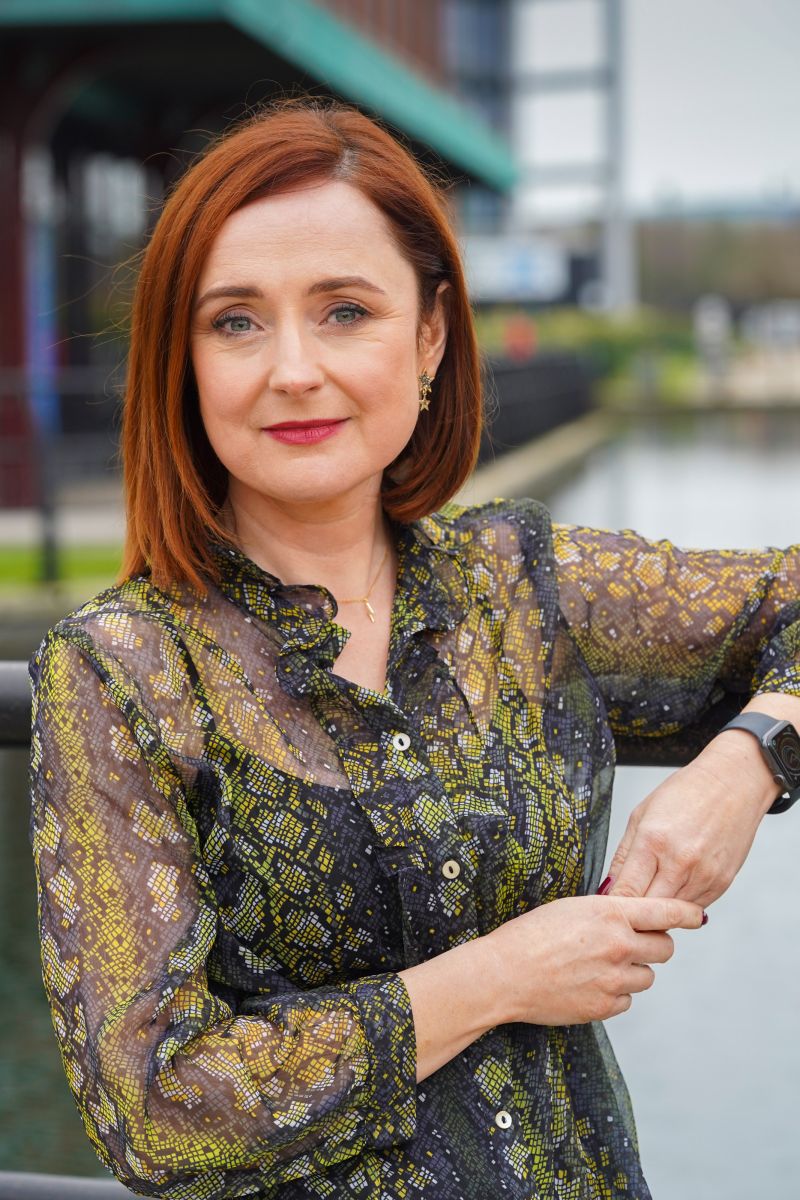
Researcher Professor Siobhan O'Neill, Professor of Mental Health Sciences at Ulster University, and Northern Ireland’s Mental Health Champion, said:
"Peacebuilding is often discussed in terms of bringing communities together. This programme was distinctive because its interventions strengthened emotional resilience and embedded trauma-informed approaches to address the cognitive, and emotional factors associated with conflict and division.
"What makes this study so important is that we were able to measure changes in skills and attitudes linked to both wellbeing and peacebuilding. We found that participants became better at coping with challenges, showed greater empathy towards others and developed more positive relationships across community divides.
"These are qualities that help people not only in their own lives, but also in building stronger, more connected communities."
The programmes were designed using trauma-informed approaches, recognising that many communities continue to live with the long-term impacts of conflict and adversity. Activities focused on helping participants build emotional resilience while creating opportunities for meaningful engagement with people from different backgrounds.
Researchers say the results show that supporting mental wellbeing and building positive community relations can go hand-in-hand.
David Babington, Chief Executive of Action Mental Health added:
"One of the clearest messages from this research is that emotional resilience matters. When young people and families are given the tools to manage stress, understand others and build positive relationships, the benefits can be felt across generations.
"The findings show that peacebuilding is not just about reducing division. It's also about helping people feel more confident, connected and able to contribute positively to their communities."
The impact of the research is already being felt. Evidence from the study helped inform a new phase of the OUR Generation Project, which is now working with tens of thousands more participants across Northern Ireland and the border regions. It is currently supported by PEACEPLUS, a programme managed by the Special EU Programmes Body (SEUPB). PEACEPLUS is co-funded by the European Union, the Government of the United Kingdom of Great Britain and Northern Ireland, the Government of Ireland, and the Northern Ireland Executive.
The next phase will build on the successful resilience-focused approach while introducing new activities developed by Ulster University researchers to further strengthen understanding, inclusion and positive relationships between people from different backgrounds.
Professor Liam Maguire, Pro Vice Chancellor for Research at Ulster University, said:
"For funders, policymakers and community organisations, having solid evidence that these programmes work is incredibly valuable. It means future investment can be guided by what we know makes a difference.”
The research was funded through the EU PEACE IV Programme managed by the Special EU Programmes Body (SEUPB) and led by Action Mental Health and aimed to support young people growing up in communities still affected by the legacy of conflict.








