






Page content
Completing the Ulster Graduate Award offers you the opportunity to engage in a wide range of activities, including those available to all students and those more focused on specific courses and specialisms.
Students studying Law courses can engage in a range of additional, subject specific activities, co-ordinated by the School of Law that will support the development of applied knowledge skills and confidence.

Register for the Ulster Graduate Award
When you register for the Ulster Graduate Award we will grant you access to an Ulster Graduate Award support area on Blackboard Ultra. We will also invite you to a short online induction so you can find out more about the requirements and process for the Ulster Graduate Award.
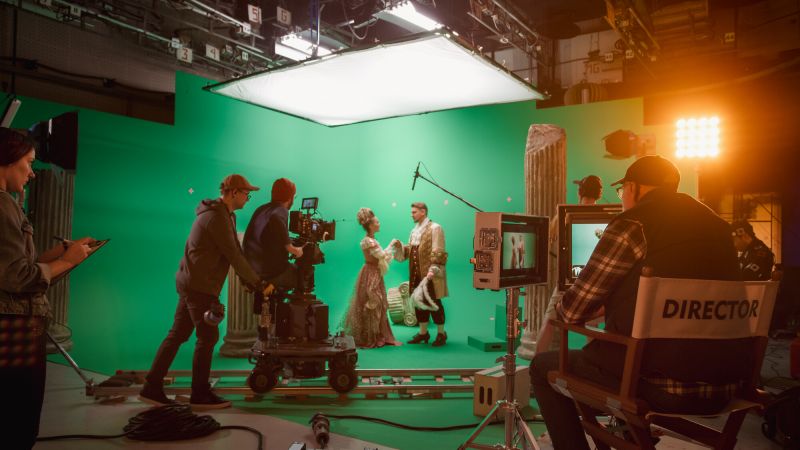
Cinematic Creative Work for a Civic Partner
Collaborate with a local civic, cultural, community, charity, or heritage organisation to produce a piece of cinematic work that meets a real communication, storytelling, or public-engagement need. Outputs may include promotional videos, creative short-form pieces, social media content, animation, community campaign films, oral-history-based visuals, event coverage, or interpretive pieces, such as a workshop, connected to the partner’s mission.

Through this collaboration, students gain experience working with real clients, understanding community needs, managing expectations, and delivering high-quality cinematic content that has practical civic value. The activity emphasises professional communication, ethical engagement, and the role of creative media in public-facing, socially meaningful work.
What Students Do
- Meet with a civic partner to identify goals, audiences, and required style
- Develop a creative concept, treatment, or pre-vis tailored to the partner’s needs
- Capture footage, audio, interviews, events, or materials or design a bespoke workshop (5 hrs)
- Edit and deliver the cinematic piece or deliver the workshop
- Present a short reflection on collaboration, ethics and impact

Campus / Course Promotional Media Creator
Students design and produce promotional cinematic content that enhances public understanding and visibility of the DLD campus, the Cinematic Arts programme, or the wider Ulster student experience. Working in collaboration with staff, ambassadors, or the marketing team, students analyse target audiences (prospective students, visitors, or online viewers), identify key messages, and create short-form media assets suitable for digital platforms.
The final output may take the form of a cinematic campus showcase, social-media reels, student-life vignettes, space-centred visuals, or stylised promotional shots that reflect the creative identity of the programme. This activity provides hands-on experience with branding, message design, and digital communication, while cultivating an understanding of how visual media serves recruitment, outreach, and public storytelling within a university context.
What Students Do
- Meet with relevant staff or ambassadors to clarify promotional aims and audiences
- Develop a visual concept, shooting plan, and intended messaging
- Film campus spaces, student activities, interviews, workshops, or events
- Edit a polished 30–60 second promotional video or a series of 2–3 short reels
- Present a short reflection discussing visual choices, branding, and audience engagement strategies
Research Co-Producer: Cinematic Interpretation Project
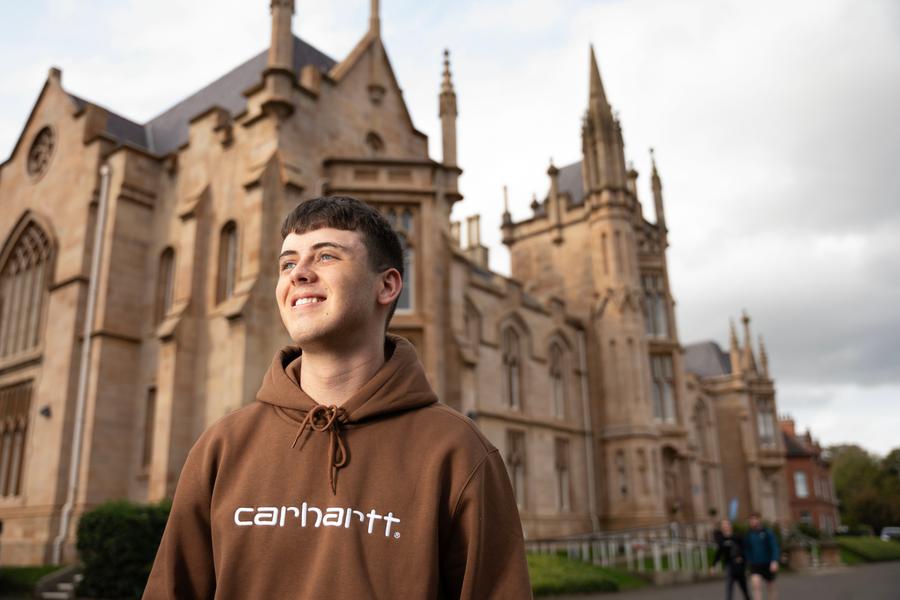
Students collaborate with an academic researcher, research group, or practice-as-research team to create a short cinematic piece that interprets, communicates, or visualises active research in an accessible and engaging way. This may include visualising historical themes, illustrating conceptual ideas, capturing behind-the-scenes research processes, producing creative responses, recording research participants or artefacts (with permissions), or creating short motion-graphics explanations.
The goal is to translate complex or specialist knowledge into a compelling visual narrative that can be used for impact, public engagement, teaching, or dissemination. Students gain insight into how cinematic practice intersects with scholarly research, and how creative media contributes to knowledge exchange, public understanding, and research culture within the university.
What Students Do
- Meet with a researcher to understand the project’s aims, themes, audience, and key messages
- Develop a cinematic treatment, visual concept, storyboard, or creative approach to interpretation
- Capture footage, interviews, artefact visuals, demonstrations, or create animation/graphics as required
- Edit a 45–90 second research-impact or research-interpretation piece
- Present a short reflection on how cinematic practice can translate and communicate research for wider audiences
Event Planning, Management and Delivery
Students plan, organise and deliver professional-standard events within the screen industries. They are responsible for curating film programmes, managing logistics, coordinating teams, engaging audiences and working within real-world constraints such as budgets, timelines and stakeholder expectations.
Activities may include programming public film screenings, hosting panel discussions with industry guests, or delivering community-focused cultural events. Students may also design and run youth film camps or community filmmaking workshops in partnership with film festivals, heritage and arts organisations and local community groups. Through these experiences, the goal is to enable students to build confidence in delivering meaningful, impactful events while gaining valuable insight into the professional networks and workflows that shape contemporary film culture.
What Students Do
- Design and facilitate practical film workshop activities, including developing lesson plans, preparing materials.
- Develop an event programme, including selecting films, structuring schedules and coordinating with guest speakers.
- Manage event logistics, such as booking venues, arranging equipment, and ensuring accessibility and health-and-safety compliance.
- Coordinate with partners and stakeholders, including film festivals, community groups, and arts or heritage organisations.
- Create an audience engagement plan, including promotional materials, social media campaigns and audience outreach.
- Oversee event delivery on the day, including briefing volunteers or team members, troubleshooting issues and ensuring a smooth audience experience.

Key contacts for Cinematic Arts activities

Dr Victoria McCollum
Senior Lecturer in Cinematic Arts


Dr Laura Aguiar
Lecturer in Cinematic Arts

Jim Curran
Lecturer in Cinematic Arts and Course Director Cinematic Arts
Lee Cadieux
Lecturer - Cinematic Arts
Vincent O'Callaghan
Technical Services Co-ordinator