Moving forward in your open research journey
Openness is not 'all or nothing' and beginning by implementing just one open research practice is a great start.
Many researchers have already adopted some open science practices and the pace at which researchers move towards open practices may vary, particularly between disciplines.
Fully open research is a long-term goal, not a switch we should expect overnight. However, there a number of practices that researchers can adopt right now that can advance the overall open science cause while simultaneously benefitting the individual researcher.

What can you start to do today?
Perhaps the best advice is to first consider what it is you would like to do: what is the open research practice you’d like to implement? Then explore which tools/platforms are available, which ones the people in your community use, and why.
Kramer and Bosman (2018) outlined a series of ways through which a researcher's workflow can be made more open, showing that open research practices can be considered from the very beginning of your research project. How you plan to implement open research practices at each stage of your research will depend on the type of research e.g. whether it is quantitative or qualitative, exploratory or confirmatory in nature.
In this section you will find information on a number of key open practices:
- Working on collaborative platforms
- Pre-registering your study and analysis plan
- Using open research software and open source
- Making your research data open
- Publishing open access
- Using scholarly identifiers
- PhD Researchers: depositing and sharing your thesis
In this Section

Working on Collaborative Platforms
View more information on Working on Collaborative Platforms.

Preregistration
View more information on Pre-registration and Registered Reports.
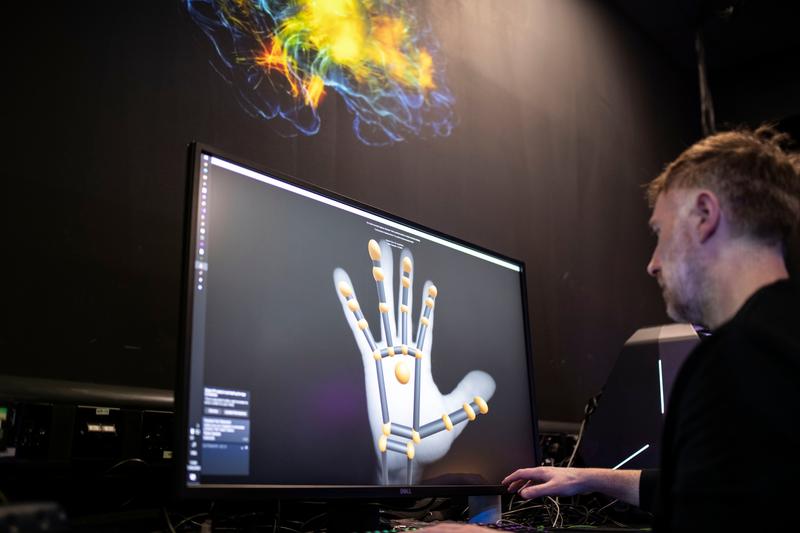
Open Research Software
View more information on Open Research Software and Open Source.

Make your research data open
View more information on Make your research data open.

Publish Open Access
View more information on Publish Open Access.

Use Scholarly Identifiers: ORCID, DOI
View more information on Use Scholarly Identifiers: ORCID, DOI.

Depositing and Sharing your thesis
View more information on Depositing and Sharing your thesis.
Reuse and build on other researchers' openly available outputs
Reusing and building on other researchers' open research outputs , such as data, code and protocols, can:
- Save time and resources and make efficient use of public funding.
- Strengthen research by enabling others to test and validate findings.
- Helps researchers avoid 'reinventing the wheel' and instead 'redesign it'.
When reusing open research outputs, check licences and metadata, credit the original source and reshare your revised output!
Find open research data and software through general or disciplinary data and code hosting platforms and data repositories such as:
You can also use discovery portals and registries such as OpenAIRE and re3data.
Can't find suitable open data for your research? If you are an early career researcher read From Quest to Request, a PhD researcher's experience of tracking down data.
Use, adapt, create and share open educational resources to support teaching and learning.
Open Educational Resources (OER) make knowledge more useful by making it shareable and reusable. Unlike other teaching materials available online, OER are free to access and openly licensed, giving others permission to use, adapt and share them. This turns educational materials into reusable public resources.
Learn how to create and share learning materials openly in this Open Science EU blog on creating and sharing Open Educational Resources, and explore the OER World Map to find and share OER projects worldwide.