


A pioneering spinout from the University’s Diabetes Research Group is making significant strides in tackling some of our most pressing health challenges, diabetes and obesity.
Dia Beta Labs, founded on world-class research from the research group, focuses on developing a new generation of therapies aimed at improving long-term outcomes for people living with metabolic disease.
Addressing a Growing Health Challenge
Metabolic diseases such as type 2 diabetes and obesity affect millions of people worldwide, placing increasing pressure on individuals and healthcare systems alike.
Dia Beta Labs is focused on developing innovative treatments that go beyond managing symptoms. Their approach is centred on protecting and supporting the pancreas as disease progresses, alongside helping individuals achieve healthier and more sustainable weight loss.
The goal is to deliver therapies that not only improve quality of life but also address the underlying causes of metabolic conditions in a more durable way than current options.
From Research Excellence to Commercial Impact
The foundations of Dia Beta Labs lie in the long-standing research excellence of Ulster University’s Diabetes Research Group, which has developed a rich portfolio of intellectual property (IP) over many years. This work has consistently attracted interest from pharmaceutical companies.
In 2021, participation in the ICURe (Innovation to Commercialisation of University Research) programme proved to be a turning point. Through more than 100 discussions with industry stakeholders, the team identified the most commercially viable elements of their research, forming the basis for the spinout.
While early plans considered combining multiple strands of research into a single business, the journey to spinout brought clarity. The team recognised that success would depend on focusing on a smaller number of high-value assets, enabling them to maximise impact and accelerate development.
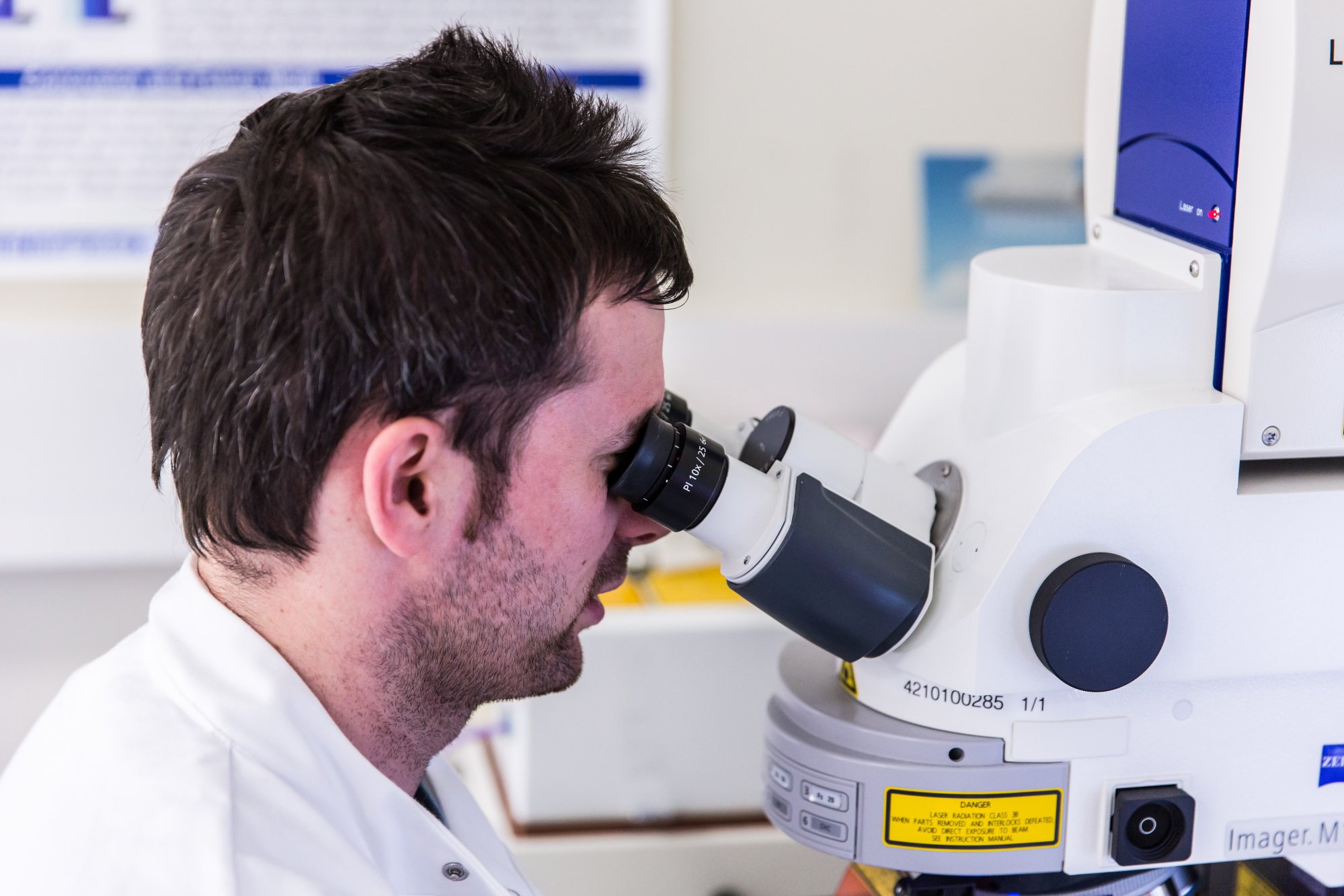
Ulster University has played a pivotal role in the Dia Beta Lab journey. During the ICURe programme, the project was supported by a dedicated Technology Transfer Officer, helping to shape the commercial strategy. Following the company’s launch in 2022, the University provided start-up capital and has remained closely involved, including holding a seat on the Board and contributing to ongoing strategic planning. Dia Beta Labs continues to operate from the Diabetes Research Group’s laboratory in Coleraine, benefiting from access to specialist equipment and expertise, while also creating opportunities for postgraduate researchers.
Founder's Story
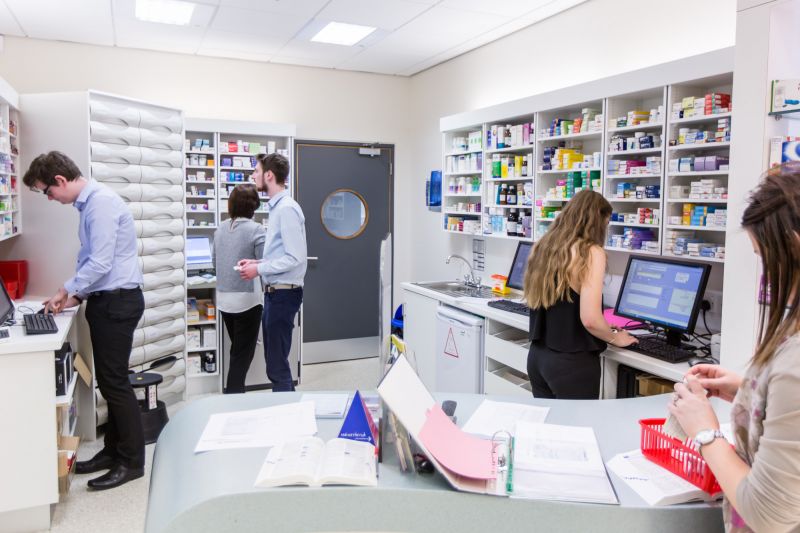
Founded by former PhD researcher Ryan Lafferty, whose journey into health innovation began in frontline care. Starting out as a locum pharmacist across Belfast, Ryan gained valuable patient-facing experience and a first hand understanding of the challenges faced by people living with diabetes.
A move into the start-up sector followed, after being recommended for a role at a diabetes-focused company. Although the company ultimately faced funding challenges, the experience proved transformative. Witnessing how innovation could improve patient outcomes inspired Ryan to pursue a PhD with Ulster University’s Diabetes Research Group, laying the groundwork for what would become Dia Beta Labs.
Transforming Healthcare for Patients and Practitioners
The company’s work is aimed at supporting people living with metabolic diseases, particularly those with type 2 diabetes and obesity who need better, more sustainable treatment options. Beyond patients, the impact extends to healthcare professionals seeking more effective ways to support their patients, and to healthcare systems striving to reduce the long-term burden of chronic disease. By targeting disease progression itself, Dia Beta Lab’s therapies have the potential to deliver meaningful improvements at both an individual and population level.
Since spinning out in 2022, Dia Beta Labs has achieved significant milestones. The company has secured £3 million in funding through venture capital investment and major Innovate UK grants, including the highly competitive Biomedical Catalyst programme.
This funding has enabled the company to expand its team, creating highly skilled roles, including positions based on the Coleraine campus, and to advance its lead therapeutic candidate, DBL002, towards clinical development.
Future Plans
DBL002 is currently undergoing clinical trial-enabling toxicology studies, which are expected to conclude in the second quarter of 2027. Over the next two to three years, the company aims to secure a Series A investment round that will fund its Phase 1 clinical programme. If successful, this will mark a critical step towards bringing a potentially transformative treatment to people living with metabolic disease.
Dia Beta Labs exemplifies how academic research can translate into real-world impact, bridging the gap between discovery and delivery for patients across the world.