


Page content
A Research Agenda for Recognising the Value of Sport and Physical Activity in Northern Ireland
Advocates for sport and physical activity frequently highlight their benefits for health, communities, and the economy. Yet in Northern Ireland, these claims are often supported by fragmented evidence, outdated statistics, or anecdote rather than robust national-level data. In a context of limited public resources and increasing competition for investment, compelling evidence is essential. Strong data does not simply describe sport’s value. It provides a competitive advantage when making the case for policy support and funding.
The under-recognition of sport in the system of national accounting
One challenge is that sport is not fully recognised within the System of National Accounts, the framework used to measure the economic scale of industries within an economy. Traditional accounting approaches define sport very narrowly, excluding significant related sectors such as clothing, footwear, equipment manufacturing, tourism, hospitality, and construction. As a result, the true economic contribution of sport is systematically underestimated.
The role of a Sport Satellite Account
An established solution is the development of a Sport Satellite Account, using the EU-recognised Vilnius Definition (3.0) methodology. Recent research commissioned by the UK Department for Culture, Media and Sport estimated the UK sport industry to be worth:
- £161 billion in economic output (around 4% of the UK economy)
- £83 billion in Gross Value Added (GVA)
- 1.29 million full-time equivalent jobs (5% of the UK workforce)
When analysed across the four home nations, Northern Ireland’s sport sector appears relatively larger in economic terms than in other parts of the UK. However, the latest available data is based on 2021 figures, meaning it is both impacted by COVID-19 disruption and already several years out of date.
Some progress has been made through sport-specific studies. Satellite Accounts have been produced on an all-island basis for golf (2017, 2025) and Gaelic Games (2024). Sport Ireland also produced its Value of Sport Report (2021) examining economic and health impacts. In Northern Ireland, however, the most comprehensive assessment remains Sport Northern Ireland’s Economic Importance of Sport report, published in 2010 and based on 2008 data.
Taken together, the available evidence is dated, fragmented, and incomplete, highlighting the need for an updated and comprehensive assessment of the sport and physical activity sector in Northern Ireland.
Participation, social value and health outcomes
Understanding the scale of sport also requires better data on participation. Currently, adult participation data in Northern Ireland is collected through a module within the Continuous Household Survey, involving around 4,500 respondents but providing limited depth for detailed analysis. For children and young people, data sources such as the Young Persons’ Behaviour and Attitudes Survey and the Children’s Sport Participation and Physical Activity Study provide useful insights but still have limitations for strategic decision-making.
However, the value of sport extends far beyond participation rates or economic contribution. Increasingly, research highlights the social value of sport, including its impact on wellbeing, community cohesion, and reduced health service costs. Sport England has been a global leader in this area, estimating the social value of sport and physical activity in England at £122.9 billion annually. Notably, this exceeds the economic value of the sector itself.
Social value approaches have also been applied to individual sports such as swimming, golf, and Gaelic Games. Yet Northern Ireland currently has no national estimate of the social value generated by sport and physical activity, representing a significant gap in the evidence base.
Closely related is the concept of Social Return on Investment (SROI), which compares the value of outcomes generated relative to the resources invested. For example, research on the Gaelic Athletic Association estimated social value of €2.87 billion, with a return on investment of €2.30 for every €1 invested. Sport England suggests that a combined social and economic return of around 4:1 is a reasonable benchmark for sport and physical activity investment.
Evidence of this nature can have real policy impact. The 2017 Satellite Account for Golf on the island of Ireland directly contributed to a sixfold increase in capital funding for golf from Sport Ireland, rising from €300,000 to €1.8 million. Better evidence led to better investment decisions.
The need for a strategic research programme
The central argument of this session is therefore clear. Rather than relying on piecemeal and sport-specific evidence, Northern Ireland needs a strategic research programme capable of capturing the full economic, social, and health value of sport and physical activity.
Developing this evidence base would allow policymakers, funders, and sport organisations to make stronger, evidence-informed decisions about investment, ensuring that sport’s contribution to society is fully recognised.
Hosted by Ulster University Centre for Sport in Society
For Ulster University’s Centre for Sport and Society, this represents an opportunity to lead a coordinated research agenda that generates the data, insight, and impact needed to showcase the true value of sport and physical activity across Northern Ireland.
Staff within Ulster University’s Centre for Sport in Society (CSS) are ideally positioned to lead a coordinated research agenda on the social and economic impact of sport and physical activity across Northern Ireland.
The CSS is comprised of a group of multidisciplinary researchers whose internationally recognised work explores a wide range of themes and issues associated with the cultural, social, economic and historical significance of sport nationally and internationally. We are committed to research that asks critical questions about the role and impact of sport in society and that has real world impact.
We have worked with a wide range of stakeholders in sport to translate research into policy and practice. These include: the IOC; FIFA; UEFA; the IFA and FAI; the GAA; Sport Northern Ireland; Sport Ireland as well as multiple smaller scale community-based organisations.
For further information, see Centre for Sport in Society | Ulster University Research and Innovation.
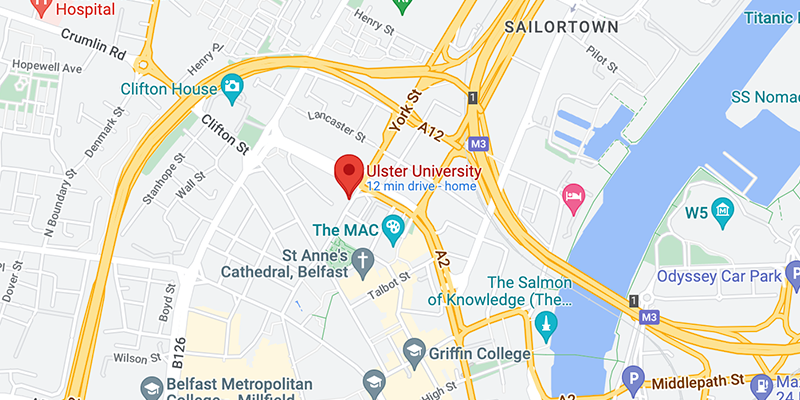
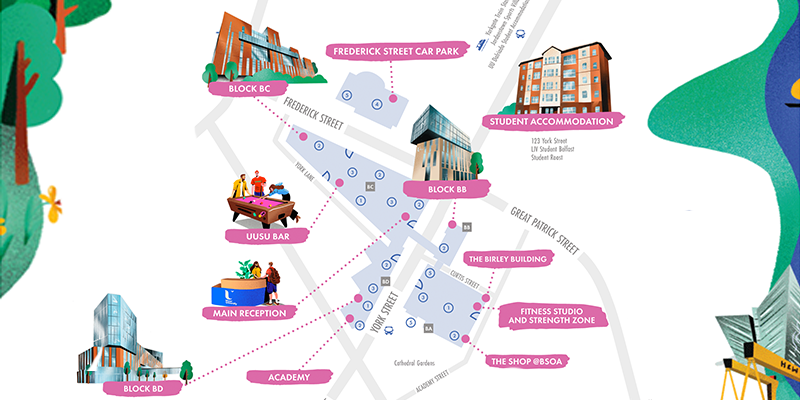
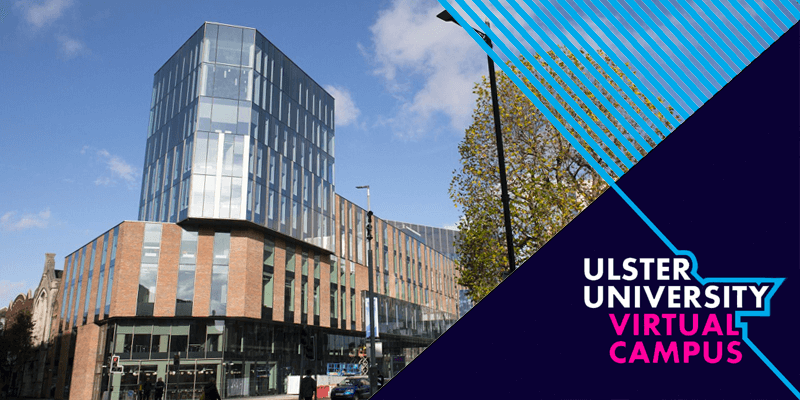
Belfast Campus
2-24 York Street, Belfast, BT15 1AP

Photography and Video during Events
Please note that photographs and/or video footage will be taken throughout this event, by confirming your attendance you are confirming your consent.
This footage could be used by the University for marketing and publicity, including but not limited to:
- Publications
- Campaigns
- Social media
- Our website
Please contact the event organiser in advance of the event if you have any concerns or if you wish to be exempted from this activity.
For further information on how we process photographs and/or video footage, please visit our Marketing and Communications Privacy Notice
Event Info
This event has ended








